




ENDURANCE SUPPLEMENTS
Push beyond limits with endurance supplements formulated to help you maintain performance by fuelling correctly for every session.
ENDURANCE SUPPLEMENTS
Push beyond limits with endurance supplements formulated to help you maintain performance by fuelling correctly for every session.





What are endurance supplements and how do they support long training sessions?
Endurance supplements are nutrition products designed to help you sustain training performance, delay fatigue, and recover more efficiently during long training sessions such as running, cycling, or triathlon. They can include powders, capsules, gels, and drinks formulated specifically to support energy production, hydration, electrolyte balance, blood flow, and the brain’s perception of effort.
Common categories are carbohydrate and electrolyte drinks and powders, caffeine-based pre‑workouts, beta‑alanine, nitrates (e.g., beetroot), amino acids, and recovery proteins.
Many products combine several ingredients to target multiple mechanisms at once, such as increasing energy availability while reducing perceived exertion. They are intended to complement, not replace, a solid diet, adequate sleep, and structured training
When should I take energy gels during a long run or event?
The use of energy gels during endurance training and races has been proven to enhance performance. When you take energy gels depends on a few factors such as the length of the training session, the intensity and the intended outcome.
A basic rule is that training under 1 hour a gel isn't really needed. Anything from 60-90 minutes 1-2 gels can be used and then over 90 minutes energy gels can be used to maintain your output.
This is achieved by maintaining carbohydrate availability and delaying fatigue.
Most runners start taking gels around 30–45 minutes into a long run or race, then continue roughly every 30–45 minutes to meet hourly carbohydrate needs. The exact timing depends on gel size, your pace, your stomach, and total event duration, so it is essential to practice in training.
How many carbohydrates do I need per hour for endurance training?
Most endurance athletes need roughly 30–90 grams of carbohydrate per hour during longer training sessions, with the exact target depending mainly on duration and intensity. Shorter sessions sit at the lower end of this range, while very long or hard efforts can justify pushing towards 90g per hour if your gut is well trained (meaning you have practised this).
- 60–120 minutes: about 30–60 g carbohydrate per hour is widely recommended to maintain blood glucose and delay fatigue. This is typically 1–2 standard gels or an energy drink plus a small snack each hour.
- More than 2 hours: most guidelines suggest 60–90 g per hour, especially for races, long runs, or rides where you want to sustain high performance rather than just “get through it.”
What is the difference between energy gels and energy bars?
Energy gels are fast-absorbing, semi-liquid carbohydrate designed for quick energy, whereas energy bars are solid foods that deliver more sustained energy and often more overall calories. Both can support endurance performance, but they differ in digestion speed, practicality on the move, and how they feel in the gut. There are some bars that are similar to gels, these are often called "chews" and are basically a solid gel. Then you have other bars that may contain sugars, dates, honey, oats or other fruits. Studies comparing carbohydrate formats show that when total carbohydrate is matched, solid and liquid/gel carbohydrates can provide similar blood glucose and performance benefits, but solids tend to increase feelings of fullness and gut discomfort in some athletes.
Do I need electrolytes for endurance training?
Electrolytes are not always necessary for every workout, but they become increasingly important as your endurance sessions get longer, hotter, and sweatier. For many endurance athletes, smart electrolyte use can be the difference between feeling strong to the finish or fading with cramps, dizziness, and fatigue.
Electrolytes like sodium, potassium, magnesium, and calcium help regulate fluid balance, nerve signalling, and muscle contraction during exercise. When you sweat, you lose both water and these minerals, and if losses are not replaced over time, performance and safety can be compromised.
Sodium is the key electrolyte for endurance athletes because it helps retain fluid in the bloodstream, maintains blood volume, and supports the delivery of oxygen and nutrients to working muscles. Low sodium relative to fluid intake can contribute to hyponatremia (low blood sodium), while insufficient replacement in heavy sweaters can accelerate dehydration and cardiovascular strain.
Electrolyte supplements are most useful when you:
- Train or race for longer than about 60–90 minutes, especially at moderate to high intensity.
- Exercise in hot or humid conditions, or have a high sweat rate or visible salt on your skin or clothes after sessions.
In these contexts, it is advised aiming for roughly 300–600 mg of sodium per hour from drinks, foods, or capsules, adjusting higher for very salty or heavy sweaters who may lose several grams of sodium per hour.
How does Workout Fuel 2.0 fit into an endurance fuelling strategy?
Workout Fuel sits in the pre and intra‑workout slot of an endurance fuelling plan. Using it before training it can top up carbohydrates, supports blood flow, and sharpens focus. If your session is over 90 minutes it can be used during to provide the same benefits and delay fatigue.
The formula includes L‑citrulline malate, BetaPower betaine, L‑tyrosine, and (in the caffeinated version) caffeine plus L‑theanine, targeting blood flow, fatigue resistance, and cognitive focus. This moves it beyond a simple carb drink into a combined fuel + performance support product for long, demanding sessions.
The caffeine‑free version lets you use the same carb and amino‑acid backbone for evening or back‑to‑back sessions without compromising sleep or stacking too much stimulant on top of race‑day gels or coffee. Many endurance athletes periodise the two versions: caffeine‑free for routine long runs and mid‑week endurance work, caffeine version reserved for key workouts and races.
It is advised to use as a complement to your gels, bars, and hydration strategy, not a replacement for them.
- Natural oat based fuel bar
- 30g carbohydrate per bar
- Useful pre session or during steady state endurance
- Good real-food option for those who dislike gels
- 30g fast acting carbohydrates
- 2:1 glucose-fructose ratio for improved absorption
- Used during long runs, races and workouts over 60–90 minutes
- Available caffeinated & non caffeinated
- Designed for minimal stomach discomfort
3. Workout Fuel 2.0 (With Caffeine & Caffeine Free)
- Quick digesting carbs
- Betaine (Betapower) + nootropics
- Ideal for high intensity endurance conditioning, HYROX, or intervals
- Supports sustained energy and improved focus
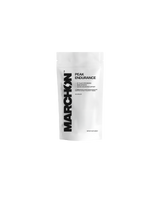
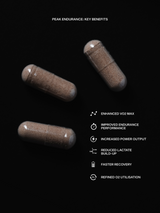
- Advanced endurance support formula
- Contains six adaptogenic mushrooms + natural nitrates
- Supports oxygen utilisation and stamina
- Helps maintain performance under fatigue
5. Performance Hydration (Powder & Sachets)
- Electrolyte blend for maintaining hydration
- Supports sweating athletes and long sessions
- Helps prevent cramping and maintain performance output
- Sachets offer portable on the go hydration